

How to Plan Corporate Events in Charlotte: 2026 Guide

Updated: Oct 19
Last Updated: October 18, 2026
Start With Clear Objectives for Your Charlotte Corporate Event
Most corporate events fail before a single vendor is booked. The cause is a vague goal like "team appreciation" with no way to measure it. Planning corporate events charlotte starts with one hard question: what should change after the last guest leaves?
Your answer shapes everything that follows. A sales kickoff needs AV, seating, and a tight agenda. A client appreciation reception needs flow, food, and conversation space. A recognition luncheon needs a program and clear timing.
Write your objective in one sentence, then attach a number:
Recruit: 40 qualified candidates at a hiring mixer
Retain: 90% of the team attending the year-end celebration
Sell: 25 new pipeline conversations at a client reception
Train: every attendee completing a certification session
At Something Classic, we have catered corporate gatherings in this city for more than three decades, from major brand openings to the Democratic National Convention. The events that run smoothly always share one trait: a clear objective written down before the first contract is signed.
Pro Tip Name one owner for each objective. A goal with two owners has none.
Build Your Corporate Event Planning Timeline
A corporate event planning timeline is a dated list of decisions, each tied to a person and a deadline. It works backward from event day, not forward from today.
Milestones From Six Months Out to Event Day
Timeframe | Key Tasks | Owner |
6 months out | Set objectives, budget, and date; shortlist venues | Event lead |
4 months out | Book venue and caterer; send save-the-dates | Event lead |
3 months out | Confirm AV, entertainment, and room layout | Logistics lead |
2 months out | Open registration; collect dietary needs | Admin lead |
6 weeks out | Finalize menu, staffing, and parking plan | Catering liaison |
2 weeks out | Send run-of-show; confirm all vendors in writing | Event lead |
Event day | Arrive early; run the schedule; debrief after | All |
Build in one buffer week per phase. Something always slips, and the buffer absorbs it without a scramble.
Set the Budget With a Corporate Event Budget Template
Start with the total funds approved, then work down. A corporate event budget template should list every line item with an estimate, a signed quote, and the actual cost. Track all three in the same sheet so variances are visible before they become overruns.
Big-ticket lines usually include:
Venue rental and any service charges
Catering, beverage service, and staffing
AV equipment and a technician
Entertainment or activities
Rentals: tables, linens, lighting
Parking, shuttles, or valet
Signage, printing, and gifts
Realistic Cost Ranges to Anchor Your Estimates
Treat these as planning anchors, not quotes: your actual numbers depend on guest count, menu, date, and service style, so ask every vendor for a written quote rather than a rough estimate.
What Drives the Price Up or Down
Guest count. Catering and rentals scale almost linearly; venue and AV do not, so a smaller guest list saves less than expected on fixed costs.
Day of week and season. Weekday and off-peak dates often carry lower venue minimums.
Service style. Buffet is usually less expensive than plated; passed service costs more in labor than stations.
Beverage program. A hosted bar, consumption bar, and cash bar produce very different totals.
Production level. Staging, lighting, and branding add cost quickly.
Line Items Most Planners Forget
Staff meals. Your crew works a long day and needs feeding.
Service charges and gratuity. These add to the catering total.
Overtime. Events that run long cost more.
Contingency. Hold back a reserve for surprises.
Delivery, setup, and strike fees. Venues and rental companies often charge separately.
How to Prioritize When the Budget Is Tight
Protect the lines guests will remember: food quality, comfort, and a smooth program. Trim where guests rarely notice, such as elaborate signage or upgraded linens. If the objective is recruiting or sales, spend on AV and flow; if it is retention, spend on food and recognition moments. Our team at Something Classic builds custom menus, so the quote reflects your actual event, not a package guess.
Watch Out Never sign a venue contract without reading the cancellation and force majeure terms. Weather, illness, or a schedule change can turn a deposit into a loss.
Choose a Venue and Coordinate Vendors
Venue selection comes down to four checks: capacity, layout, access, and cost. Ask each venue for its floor plan and its load-in rules before you commit.
Capacity: confirm seated and standing limits, not just a headline number.
Layout: make sure the room fits your agenda, stage, and food stations.
Access: check loading docks, elevators, and setup windows.
Cost: compare the total, including service charges and required vendors.
Vendor coordination is where good plans hold or break. Create one shared document listing every vendor, contact, arrival time, and setup need. Send it to everyone two weeks out.
If a venue requires an approved caterer list, confirm early. Some spaces restrict outside vendors, and that changes your shortlist.
Key Takeaway One shared vendor document, one point of contact, one confirmed run-of-show. That trio prevents most event-day chaos.
Plan Logistics: Parking, Permits, and Contingencies
Logistics is the unglamorous work that guests notice only when it fails. Sort parking, permits, and backup plans before you finalize anything else, and assign one logistics lead who owns the details.
Parking and transportation. Confirm garage options, validation, and rideshare drop-off points. Downtown venues often have limited adjacent parking, so plan for it. If guests are traveling across neighborhoods, price a shuttle and confirm pickup times in writing. Ask each venue for its load-in rules and setup windows before you commit, because a tight dock schedule can delay the entire run-of-show.
Permits and insurance. Some events need permits for amplified sound, temporary structures, or serving alcohol. Ask the venue and your local government what applies, and start the permit process at least 60 days out because approvals can take weeks. Carry event liability insurance and get certificates from every vendor. If a venue requires an approved caterer list, confirm early, since some spaces restrict outside vendors and that changes your shortlist.
Contingencies. Write a plan for three scenarios: bad weather, a vendor cancellation, and a medical issue. Name who decides and who communicates. Keep a printed vendor contact sheet on site in case cell service is unreliable.
A Logistics Checklist With Lead Times
Parking and rideshare plan confirmed (4 weeks out)
Shuttle or valet booked (6 weeks out)
Permit applications submitted (60 days out)
Insurance certificates collected from all vendors (2 weeks out)
Weather backup space confirmed (4 weeks out)
Medical and emergency contacts posted (event week)
Watch Out Skipping the insurance check is a common mistake. One uninsured vendor can shift liability onto your company if something goes wrong.
Use a Corporate Event Planning Checklist to Stay on Track
A corporate events charlotte planning checklist turns a long timeline into daily action. Print it, share it, and check items off in a meeting each week.
Objectives written and approved
Budget approved with contingency
Venue booked and contract reviewed
Caterer booked and menu confirmed
AV and entertainment confirmed
Registration open and dietary needs collected
Parking and transportation arranged
Permits and insurance in place
Run-of-show sent to all vendors
Debrief scheduled for the week after
Run one final walkthrough on site before event day. Confirm power, setup space, and the flow guests will follow from arrival to exit.
Corporate Event Catering Ideas That Keep Guests Engaged
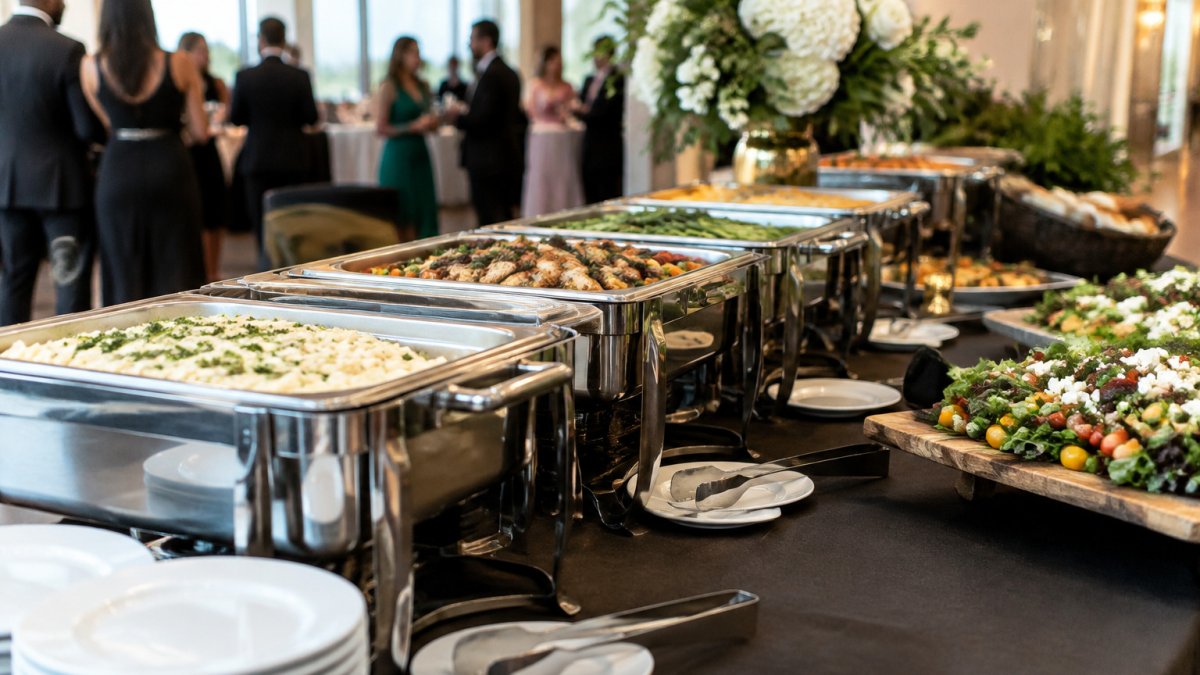
Food is the easiest way to keep a room talking. The best corporate event catering ideas do two things at once: feed people well and give them a reason to move, mingle, and stay.

Elevating the atmosphere beyond the dining experience requires a thoughtful approach to
corporate event entertainment
that aligns with the overall tone of your gathering.
Try these formats:
Grazing stations with seasonal produce and house-made items
Passed small plates that free guests to network standing up
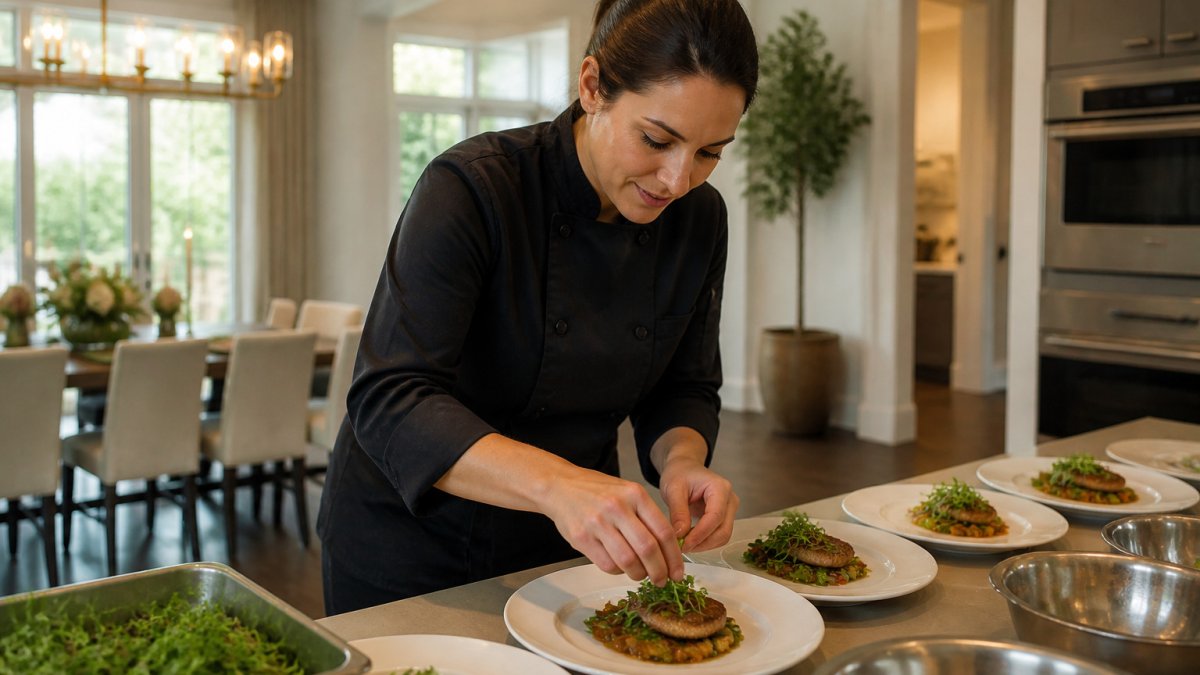
Live cooking stations that draw a crowd and start conversation
Dietary-labeled menus so guests with restrictions serve themselves with confidence
A dessert moment timed to the program's close
Dietary needs deserve real attention. Collect restrictions at registration and label every dish. Guests with celiac disease or severe allergies need clear answers, not guesses.
Sustainability can shape the menu too. Something Classic grows its own herbs, edible flowers, and specialty produce, and keeps its own beehives for honey. That approach puts fresher, more distinctive food on the plate.
Measure Results and Plan the Next Event
Event success needs a number attached. Measure against the objective you wrote in step one, not against a vague feeling.
Track three things:
Attendance: registered versus actual, plus no-shows
Engagement: session attendance, survey scores, conversations logged
Outcome: hires made, leads generated, recognition delivered
Send a short survey within 48 hours. Ask two questions: what worked, and what to change. Then hold a debrief with your team and vendors while memory is fresh.
Write a one-page recap. Note the final budget versus estimate, the vendors you would rebook, and the fixes for next time. That recap becomes the starting point for your next corporate event planning timeline.
Frequently Asked Questions
How far in advance should you plan a corporate event in Charlotte?
For most corporate events in Charlotte, start planning four to six months out. That window gives you time to compare venues, lock in a date, and secure vendors before popular spaces book up. Large gatherings, executive luncheons with VIP guests, or events tied to a specific season need closer to nine months. A simple internal gathering can work with six to eight weeks if you keep the scope tight. Build the corporate event planning timeline backward from your date, and confirm the venue and caterer first because those two decisions drive everything else.
What should a corporate event planning checklist include?
A solid corporate event planning checklist covers objectives, budget approval, venue contract, vendor coordination, catering and dietary needs, AV and sound checks, guest registration, parking and transportation, permits and insurance, staffing assignments, and a day-of run sheet. Add a contingency plan for weather, no-shows, and equipment failure. Assign an owner and due date to every line so nothing sits unclaimed. Review the checklist at each planning meeting and update it as details change. The checklist should live in one shared document that your venue and caterer can both access.
How do you set a budget for a corporate event?
Start with the total amount leadership has approved, then allocate by category: venue, catering and beverage, AV and production, entertainment, decor, staffing, and a contingency reserve of 10 to 15 percent. Use a corporate event budget template so every line has an estimate, a confirmed cost, and a variance column. Get written quotes rather than verbal estimates, and confirm what each quote includes, such as service staff, gratuity, and equipment. Pricing for catering depends on the menu, guest count, and date, so request a custom quote instead of relying on general figures.
What catering should you serve at a corporate event?
Match the menu to the format and the time of day. Morning sessions work well with a breakfast station and good coffee; half-day meetings suit boxed lunches or a buffet; evening receptions call for passed hors d'oeuvres and a stationed spread. Always collect dietary restrictions during registration and confirm your caterer can handle allergies without cross-contamination. Ask for a tasting before signing the contract, and confirm that the food served at the event matches what you sampled. Local caterers who source seasonal produce often deliver a stronger guest experience than a standard hotel package.
Planning a corporate event in Charlotte means juggling objectives, budgets, vendors, and logistics at once. Something Classic makes the food and service side simple, with custom menus, farm-to-table ingredients, and attentive staffing that keeps your guests cared for. Our team has handled everything from intimate executive luncheons to large-scale gatherings, so you can focus on your people. Contact us to build a menu for your next event.
Contact Us

What makes Pokepath TD appealing to me is the chance to solve a challenge in various ways. Rather than just facing each battle as a test of strength, I get to analyze how to best arrange my team to cope with the attacking enemy.